
FAQs About Eco-Friendly Auto Painting Solutions


Understanding Eco-Friendly Auto Painting
Eco-friendly auto painting solutions are gaining popularity as more people become conscious of their environmental impact. These solutions offer the same high-quality finish as traditional methods but with a reduced carbon footprint. But what exactly makes them eco-friendly?
Eco-friendly paints often use waterborne formulations that reduce the release of volatile organic compounds (VOCs) into the atmosphere. This not only protects the environment but also improves air quality for workers and customers.

Benefits of Eco-Friendly Auto Painting
Switching to eco-friendly auto painting solutions offers several benefits. Firstly, these paints are often more durable and provide a long-lasting finish. This means fewer repaints are needed over time, which reduces waste and resource consumption.
Moreover, using eco-friendly solutions can enhance a business's reputation, attracting environmentally conscious customers. It's a win-win for the business and the planet.
Common Questions About Eco-Friendly Auto Paints
What Are the Main Ingredients?
Eco-friendly paints typically contain fewer harmful chemicals compared to traditional paints. They often use water as a base instead of solvents, significantly reducing the emission of harmful VOCs.
These paints may also include natural pigments and other biodegradable materials, further enhancing their environmental credentials.
Are Eco-Friendly Paints More Expensive?
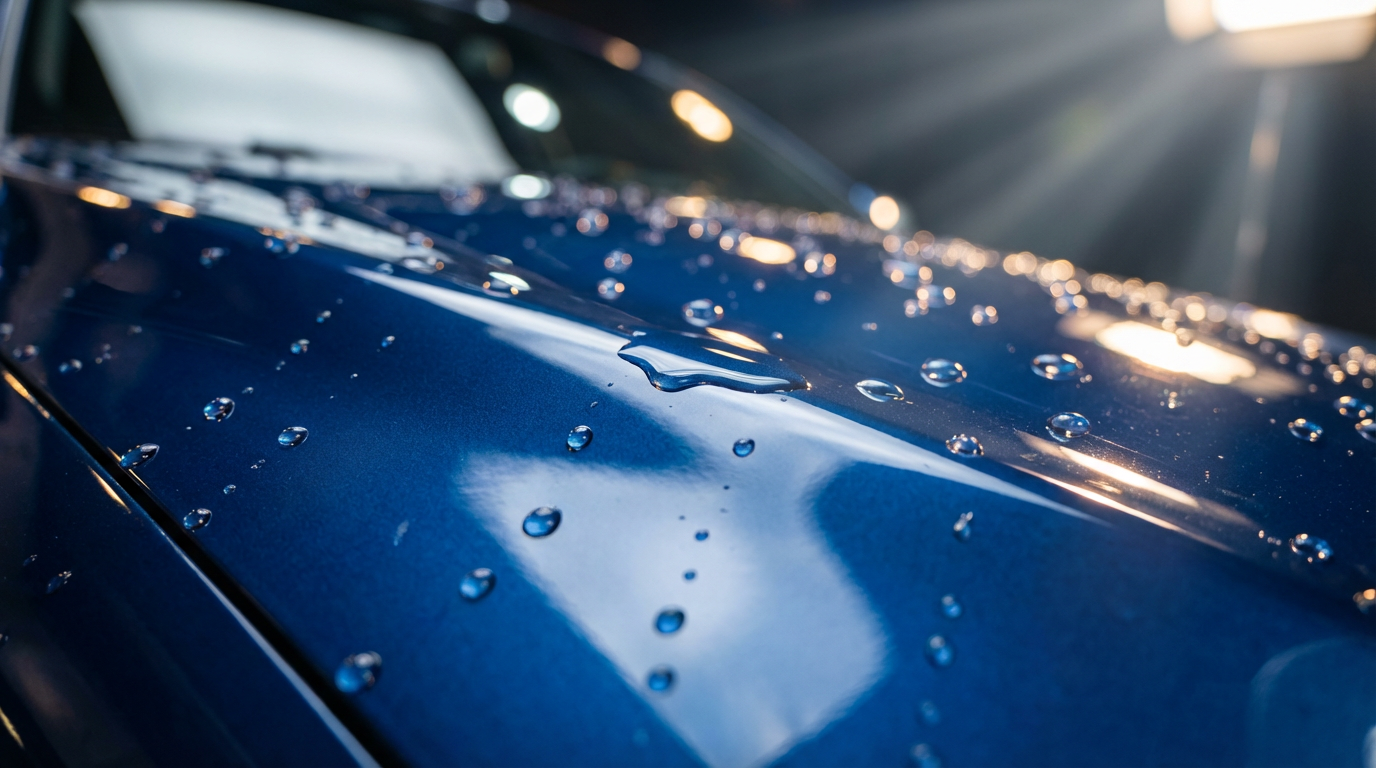
While the initial cost of eco-friendly paints might be slightly higher, they often prove to be more cost-effective in the long run. Their durability means that fewer touch-ups and repaints are necessary, saving money over time.
Additionally, some regions offer incentives or subsidies for businesses that adopt environmentally friendly practices, which can offset the initial investment.
Implementing Eco-Friendly Practices in Auto Shops
How Can Auto Shops Transition?
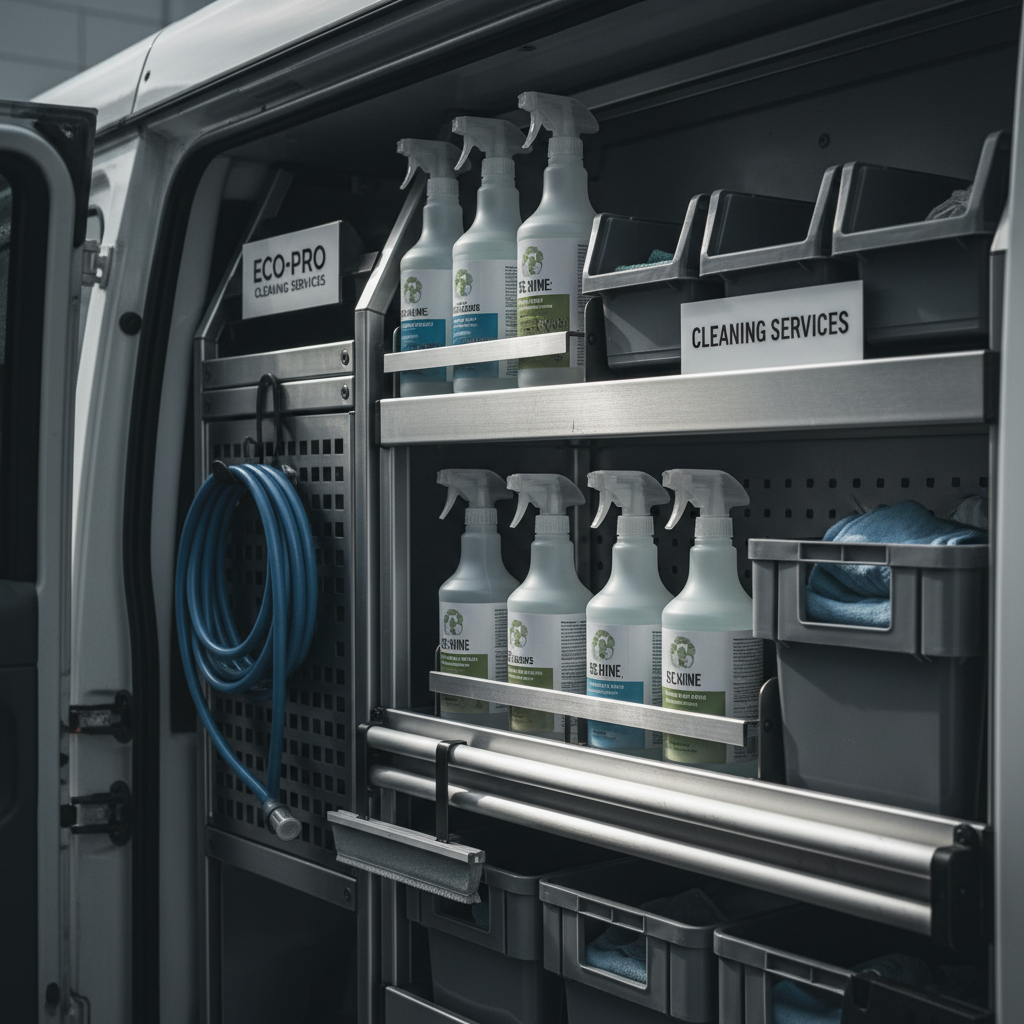
Transitioning to eco-friendly auto painting involves a few key steps. Auto shops should start by choosing the right eco-friendly paint products and training their staff on the new techniques.
It's also essential to update equipment, such as spray guns and booths, to ensure they are compatible with waterborne paints. Implementing these changes can significantly reduce the environmental impact of auto painting operations.
What Are the Challenges?
One common challenge is the initial learning curve associated with new materials and techniques. Employees may need training to adjust to the different drying times and application methods of waterborne paints.
Despite these hurdles, the long-term benefits of eco-friendly auto painting solutions make the transition worthwhile for both the environment and business sustainability.