
Seasonal Auto Maintenance: Preparing for Winter Driving Conditions


Understanding the Importance of Seasonal Auto Maintenance
As the leaves begin to fall and temperatures start to drop, it's a clear sign that winter is on its way. Preparing your vehicle for winter driving conditions is crucial to ensure safety and performance. Seasonal auto maintenance not only helps in preventing breakdowns but also enhances your car's longevity.
Winter driving presents unique challenges such as icy roads, reduced visibility, and extreme cold. To tackle these, your vehicle needs to be in optimal condition. Let's dive into some essential maintenance steps to prepare your car for the chilly months ahead.

Checking and Replacing Tires
Tires are your vehicle's only contact with the road, making them critical for safe winter driving. Begin by checking the tread depth. Adequate tread ensures better traction on slippery surfaces. If your area experiences severe winter conditions, consider switching to winter tires. These are specifically designed to provide superior grip on snow and ice.
Additionally, monitor tire pressure regularly as cold temperatures can cause it to drop, affecting handling and fuel efficiency. Keeping your tires properly inflated is a simple yet effective way to enhance safety during winter.
Ensuring Battery Health
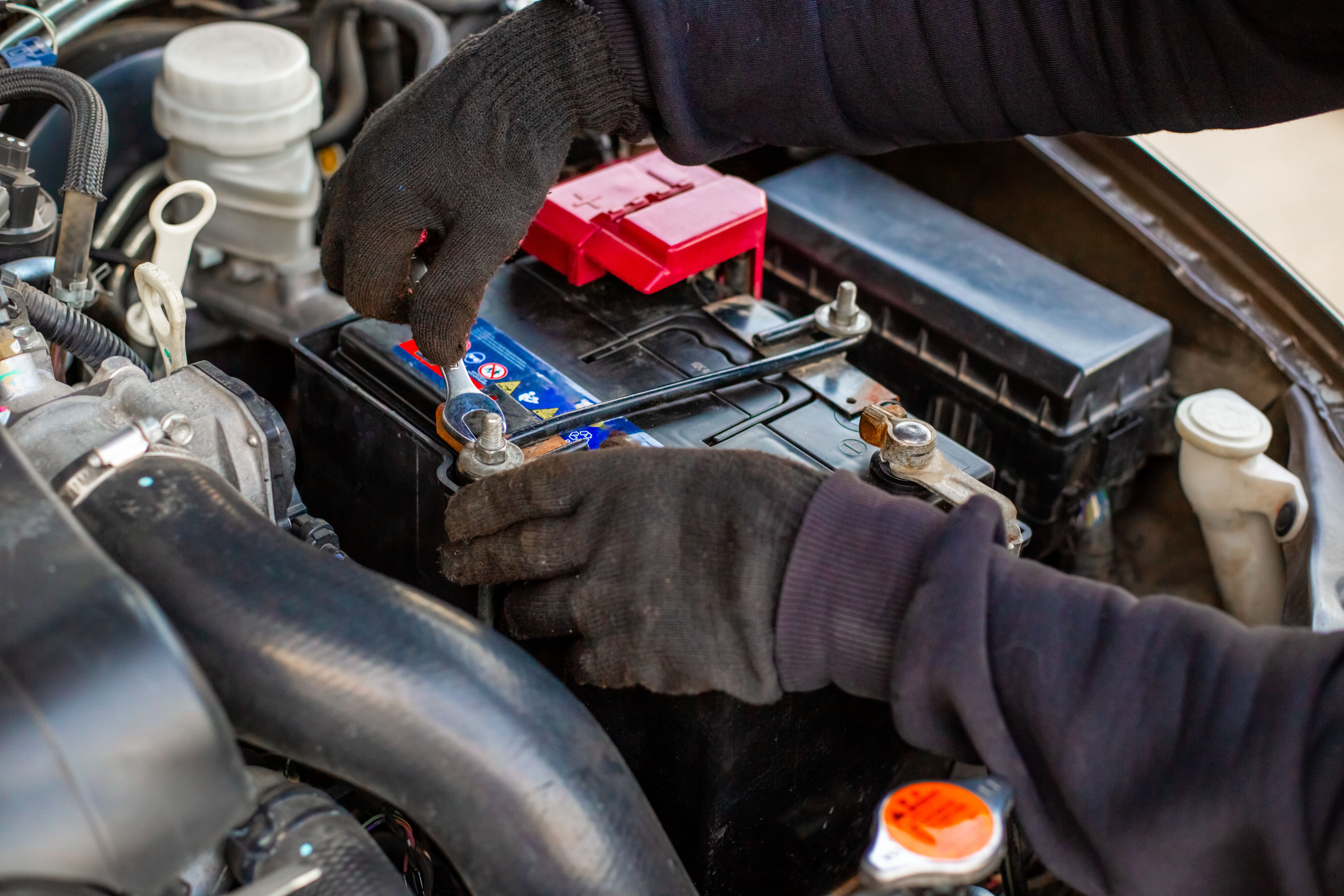
Cold weather can be harsh on car batteries, reducing their efficiency and sometimes leading to failure. It's wise to have your battery tested before winter arrives. Check for any signs of corrosion on terminals and ensure the connections are tight.
If your battery is more than three years old, consider replacing it to avoid unexpected breakdowns. A reliable battery is vital for starting your vehicle in freezing temperatures.
Maintaining Fluids for Optimal Performance
Fluids play a crucial role in keeping your vehicle running smoothly, especially during winter. Start with the engine oil; colder weather can make oil thicker, so check if you need a winter-grade oil that flows better at low temperatures.
Don't forget the coolant, which prevents the engine from freezing. Ensure it's at the correct level and has the proper mix of antifreeze and water. Also, top up your windshield washer fluid with a winter formula to prevent freezing and maintain visibility.
Inspecting Brakes and Lights
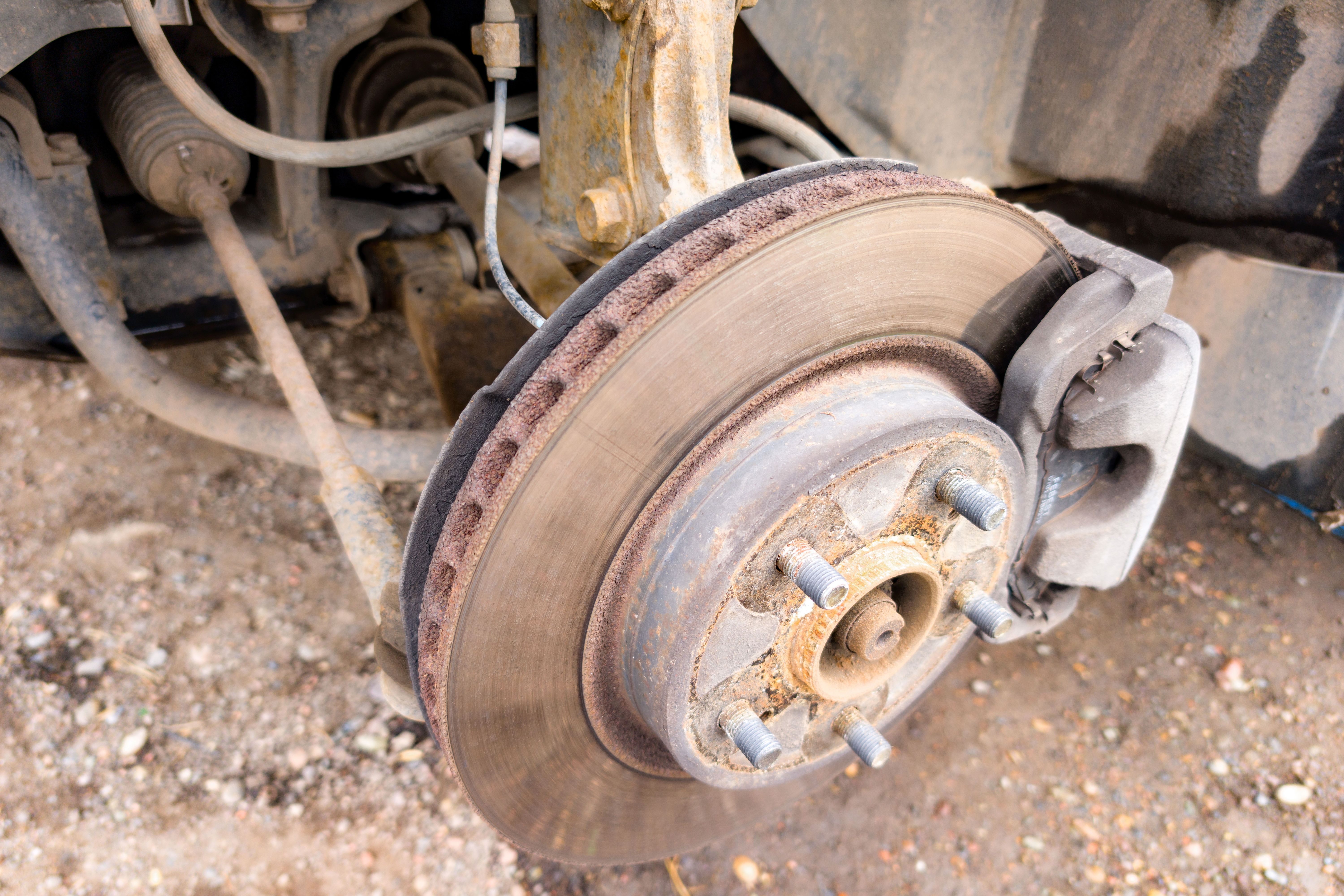
Brakes are vital for safe driving in any season, but especially during winter when stopping distances can increase due to slippery roads. Have your brakes checked for wear and tear, and replace any components if necessary.
Visibility is often compromised in winter due to shorter days and poor weather conditions. Ensure all your vehicle's lights are functioning correctly and replace any burnt-out bulbs. Clean your headlights regularly to maximize their effectiveness.
Preparing an Emergency Kit
No matter how well you prepare, unexpected situations can arise during winter driving. Having an emergency kit in your car is essential. Include items like a blanket, flashlight, first-aid kit, non-perishable snacks, water, and a snow shovel.
Consider adding extra items such as jumper cables, a tow rope, and traction aids like sand or cat litter. Being prepared can make all the difference if you find yourself stranded in harsh conditions.
By following these seasonal maintenance tips, you can navigate winter roads with confidence. Regular checks and timely replacements not only ensure your safety but also keep your vehicle in prime condition throughout the cold months.